Growth is exciting—until it becomes chaotic. As franchise systems expand from 5 locations to 50, many franchisors discover that their biggest scaling challenge isn’t finding qualified franchisees or securing real estate. It’s maintaining the brand consistency that made them successful in the first place. After working with franchise brands through explosive growth phases, I’ve learned that standardized franchise interior packages aren’t just about efficiency—they’re the foundation that makes sustainable scaling possible.

TL;DR
Successful franchise scaling requires standardized FF&E packages that ensure brand consistency, accelerate development timelines, and reduce operational complexity. With only 16% of franchisors reaching 100 locations, the systems that break through this barrier leverage integrated design and manufacturing partners who provide complete furnishing packages—architectural millwork, metals, signage, and upholstery—as plug-and-play solutions. Benefits include 30-50% faster development timelines, perfect brand replication across all locations, dramatically reduced vendor management overhead, predictable franchisee investment requirements, and guaranteed long-term product availability. American manufacturing provides additional advantages through responsive adjustments, supply chain reliability, and partnership proximity. Research shows 71% of consumers prefer brands they recognize, making consistent experiences across locations financially critical. Standardized FF&E packages don’t limit creativity—they create the operational foundation that makes sustainable, rapid scaling possible while protecting the brand consistency that drives customer loyalty and franchise success.
Background
The franchising industry is experiencing remarkable momentum. Franchises are projected to contribute $578 billion to U.S. GDP in 2025 (https://franchise.neighborly.com/how-this-works/franchising-statistics), with job growth rates at 2.4%—outpacing the overall labor market. The International Franchise Association expects franchising to add approximately 210,000 jobs in 2025 (https://franchise.neighborly.com/how-this-works/franchising-statistics), bringing total franchising employment to more than 9 million jobs.
But here’s the sobering reality behind these promising numbers: only 16% of franchisors ever reach the 100-location milestone (https://www.delightree.com/post/franchise-scaling-blueprint-5-critical-areas-for-sustainable-growth), with the median number of franchise locations in the U.S. sitting at just 38. The difference between systems that scale successfully and those that stagnate often comes down to operational infrastructure—specifically, the ability to replicate brand standards efficiently across multiple locations.
Brand consistency isn’t just aesthetically important—it’s financially critical. Research shows that 71% of consumers are more likely to buy a product or service from a name they recognize (https://thriveagency.com/news/how-to-maintain-brand-consistency-across-franchise-locations/), and that recognition is built through consistent experiences across every location. When your franchise design elements vary from location to location, you’re not just creating visual inconsistencies—you’re actively eroding the brand equity you’ve worked so hard to build.
The challenge intensifies with scale. Managing furnishing packages across 5 locations is manageable through manual coordination. At 50 locations, fragmented sourcing becomes a coordination nightmare. At 100+ locations, without standardized systems, brand drift becomes inevitable.
Logic
The Standardization Imperative
Successful franchise scaling begins with a fundamental principle: what can be standardized should be standardized. This doesn’t mean eliminating flexibility or stifling innovation—it means establishing reliable systems that free your team and franchisees to focus on growth rather than reinventing solutions for every new location.
For furniture, fixtures and equipment (FF&E) packages specifically, standardization delivers benefits across multiple dimensions:
Perfect Brand Replication
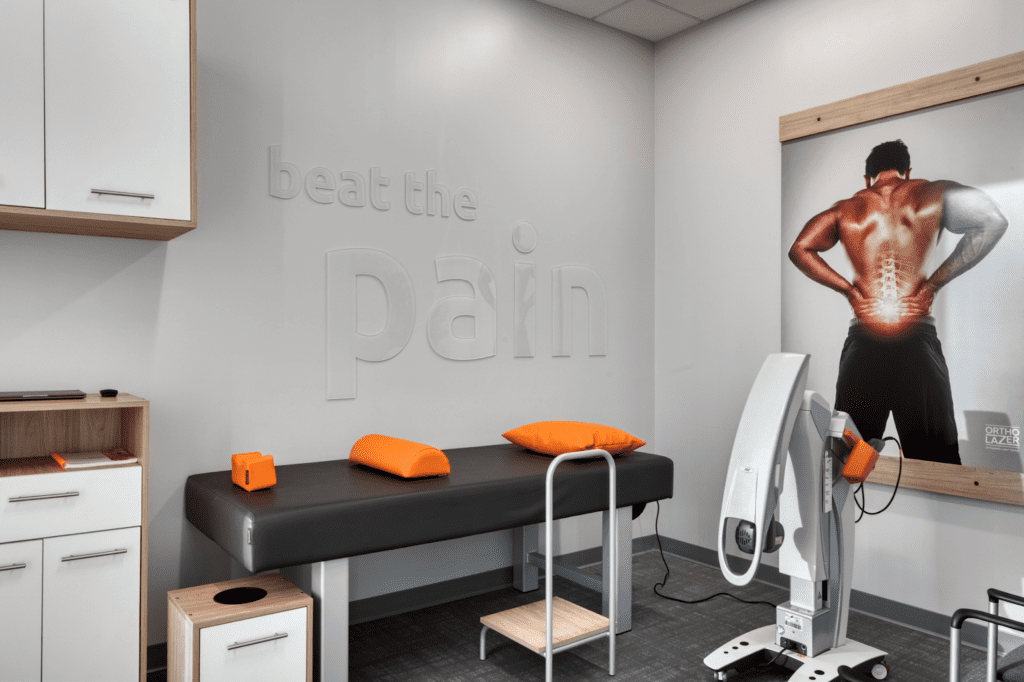
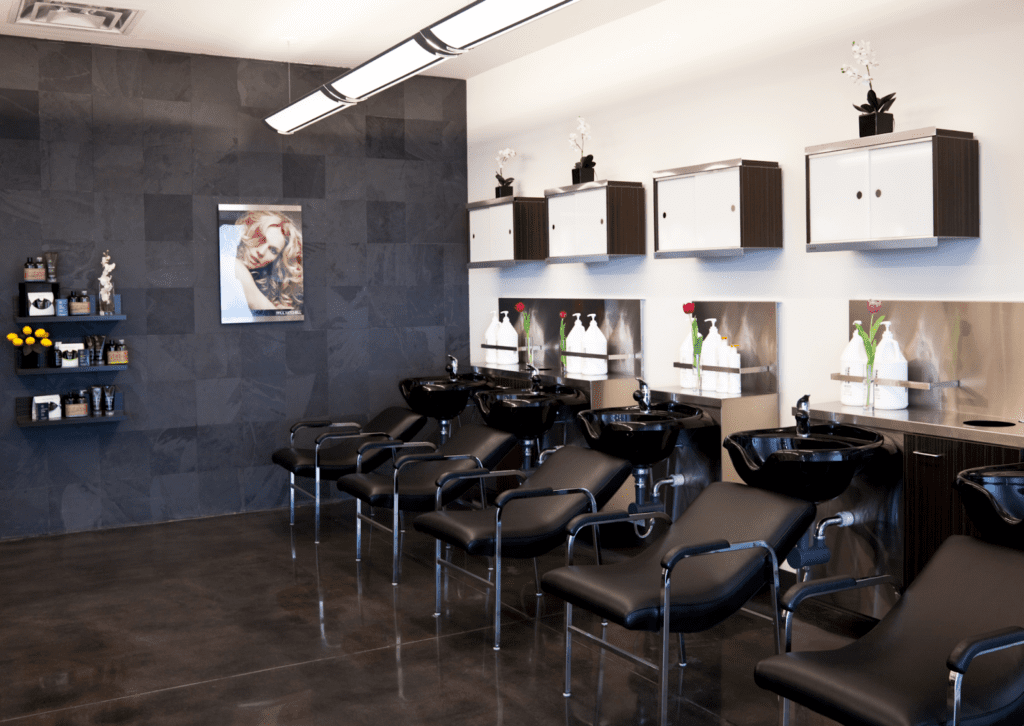
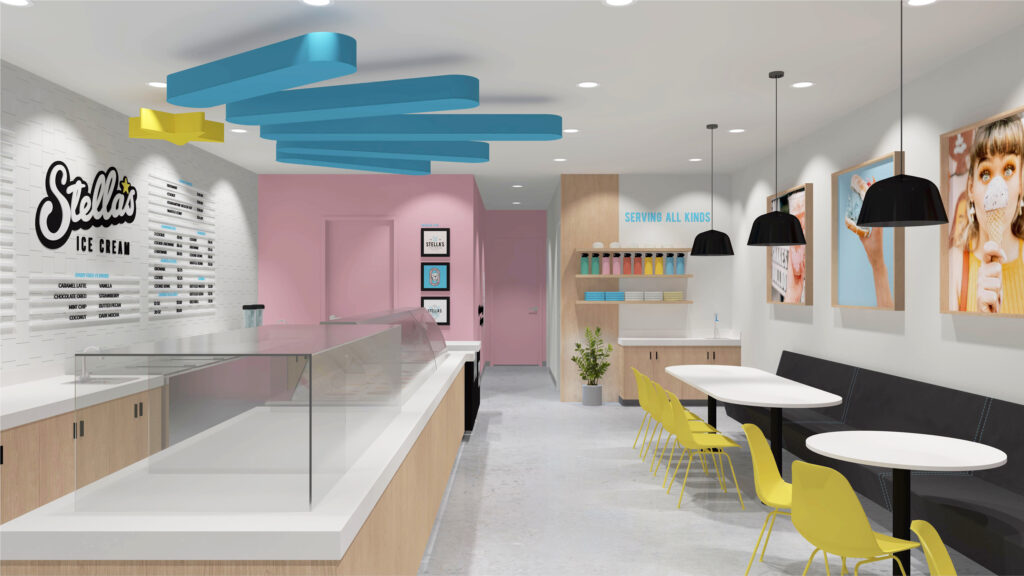
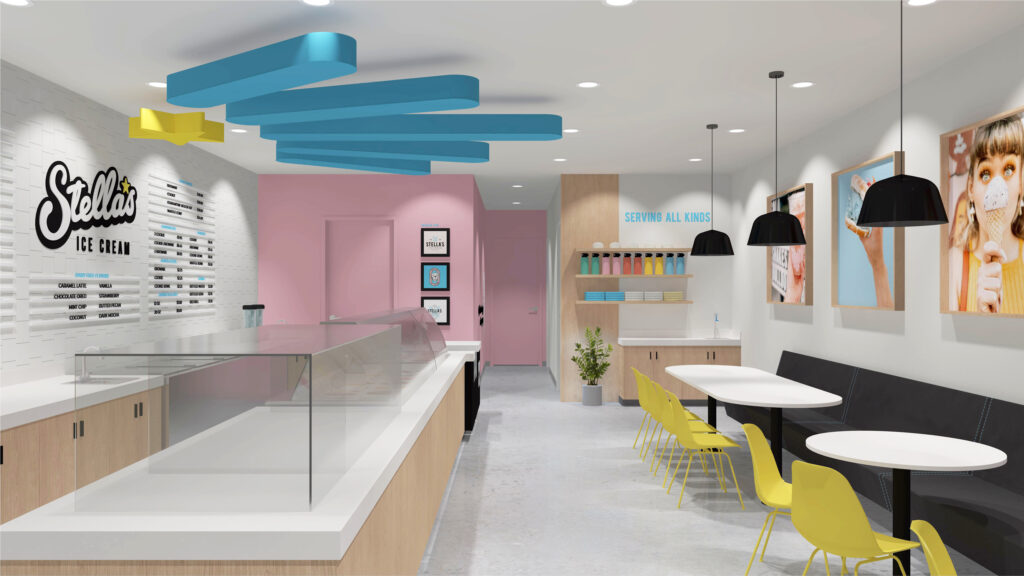
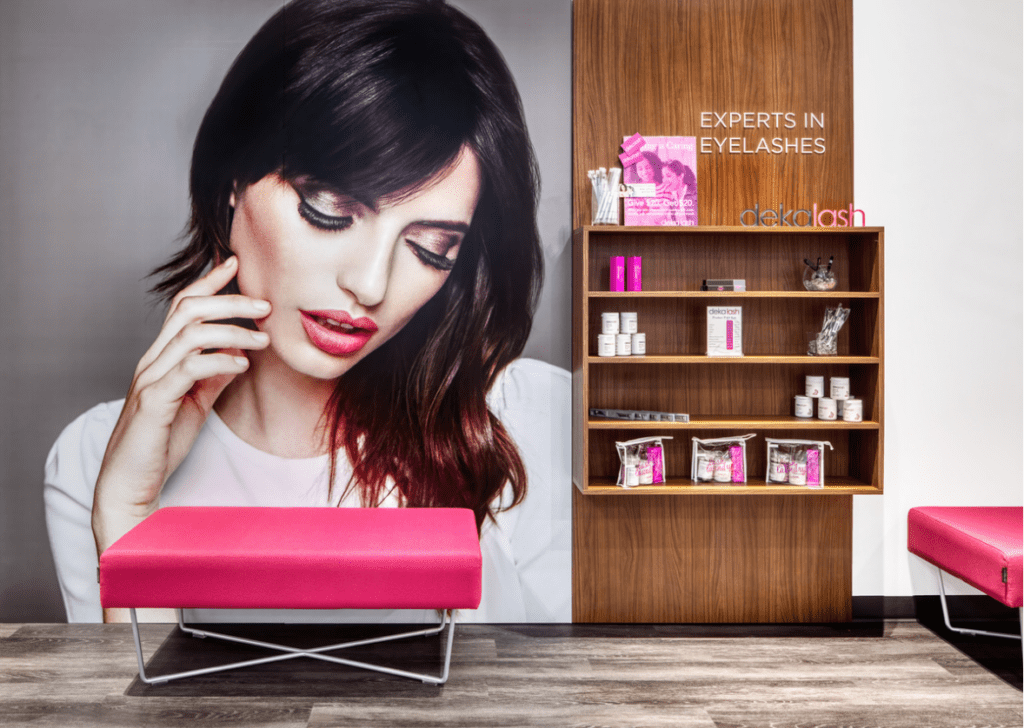
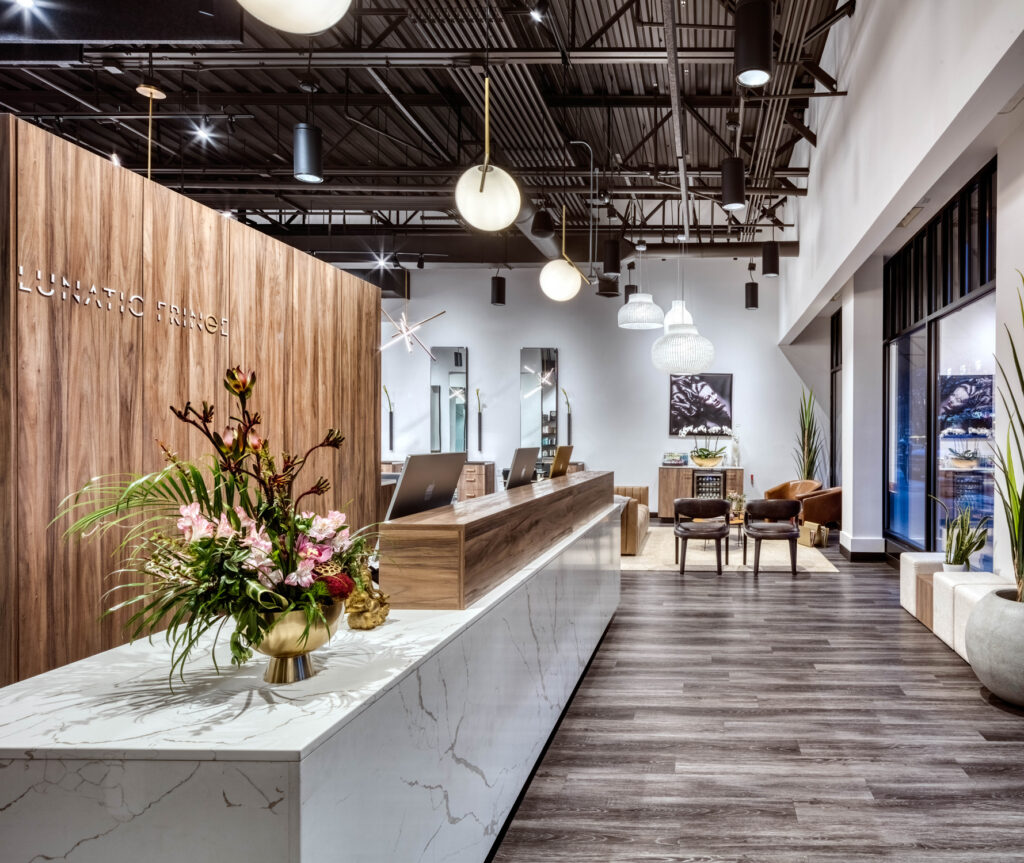
When you develop a complete, standardized furnishing package—covering architectural millwork, metals, signage, and upholstery—every new location opens with precisely the brand experience you’ve designed. There’s no interpretation. No substitutions that “almost match.” No compromises because specific items became unavailable.
Consider the alternative: franchisees sourcing their own furnishings from approved vendor lists. Even with detailed specifications, variations creep in. One franchisee selects slightly different wood tones in their millwork. Another chooses upholstery fabrics that photograph differently under lighting. A third accepts metal finishes that are “close enough” when their first choice faces delays.
Individually, these seem like minor deviations. Collectively, they create brand drift that customers notice and that damages the consistent experience your franchise promise depends upon.
Predictable Economics at Scale
Standardized FF&E packages transform franchise economics from variable to predictable. Franchisees know exactly what their furnishing investment will be—no surprises, no cost overruns, no budget adjustments mid-project. For franchisors, this predictability facilitates better franchisee qualification and reduces the support burden around buildout financing.
Moreover, consolidated manufacturing creates economies of scale. When an integrated design and manufacturing partner produces furnishing packages in volume, per-unit costs decrease while quality increases. These savings can be passed to franchisees, improving their unit economics and making your franchise more attractive to qualified candidates.
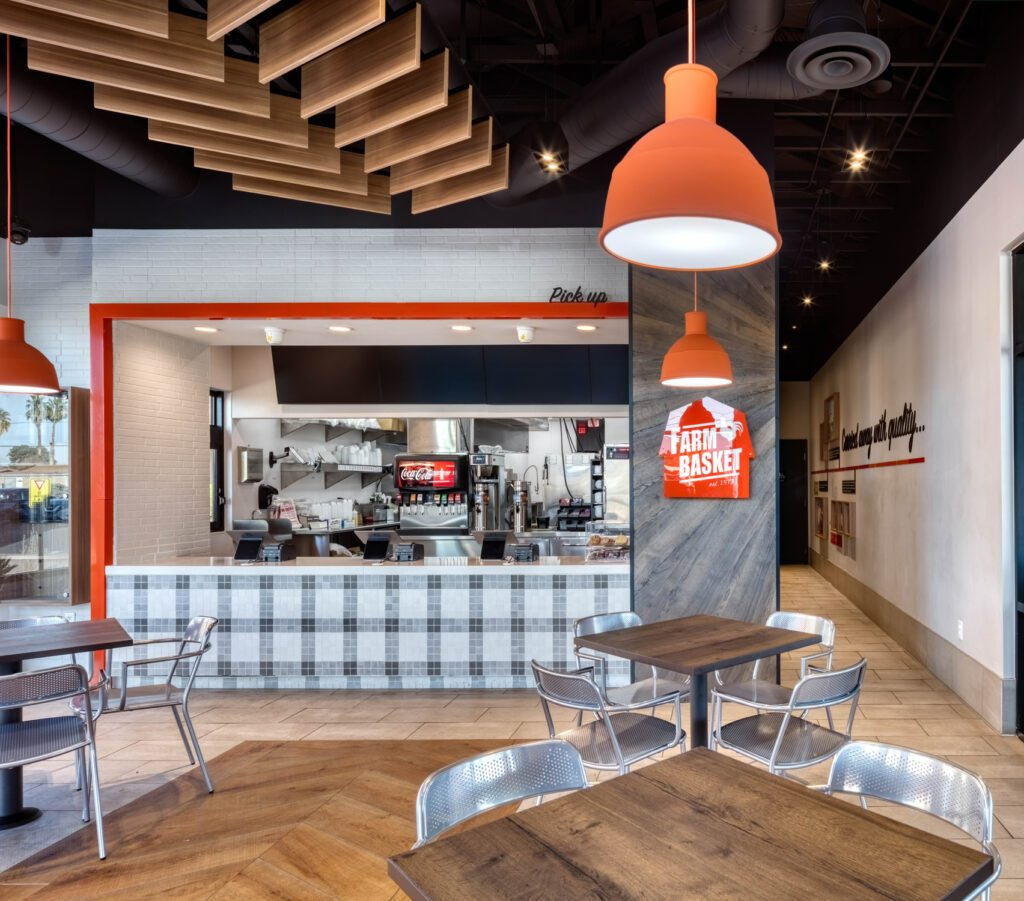
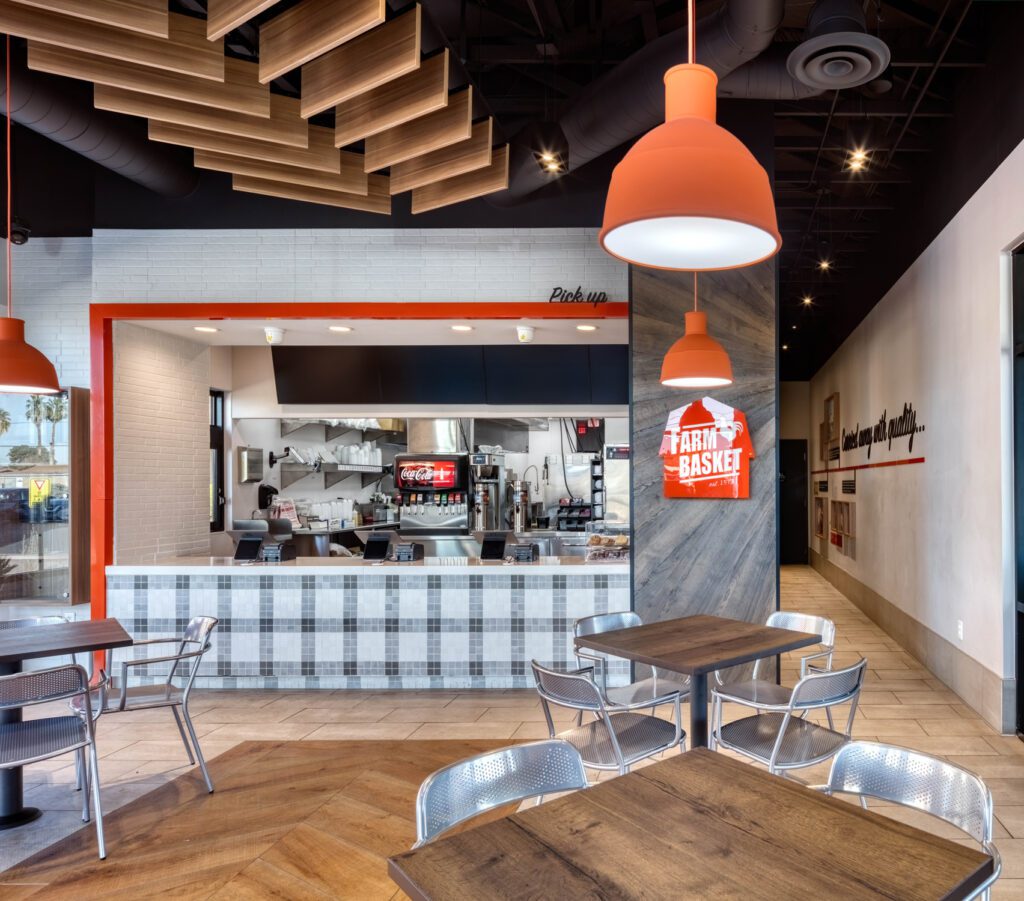
Accelerated Speed-to-Market
In franchise expansion, timing is everything. Being first to launch in the hottest markets can determine long-term market position.
Standardized FF&E packages dramatically compress development timelines by eliminating variables that typically delay openings:
No Design Phase Per Location
Traditional approaches require design adaptation specific to each location—reviewing architectural plans not created with brand standards built in, specifying finishes, coordinating FF&E production and installation by local contractors, and managing FF&E revisions. With a standardized package, this entire phase disappears. The design is complete from the start. The specifications are already determined. The manufacturing process is established. You’re simply replicating what already works.
Synchronized Production
When a single partner designs and manufactures your complete furnishing package, all elements—millwork, metals, signage, upholstery—are produced in coordination. There’s no waiting for one vendor while another completes their work. No discovery that signage dimensions don’t accommodate millwork designs. No last-minute adjustments because components don’t integrate properly.
This synchronization can compress the furnishing phase of development by 40-60% compared to fragmented approaches—potentially the difference between opening in prime season versus off-season, or beating competitors to a market versus arriving second, not to mention faster transition from spending money to making money for the franchisee.
Simplified Installation
Standardized packages come with detailed, proven installation instructions. Your installations become efficient. Fewer mistakes. Faster completion. Lower labor costs.
For franchise systems opening multiple locations simultaneously—a common strategy in hot markets—this efficiency multiplies exponentially.
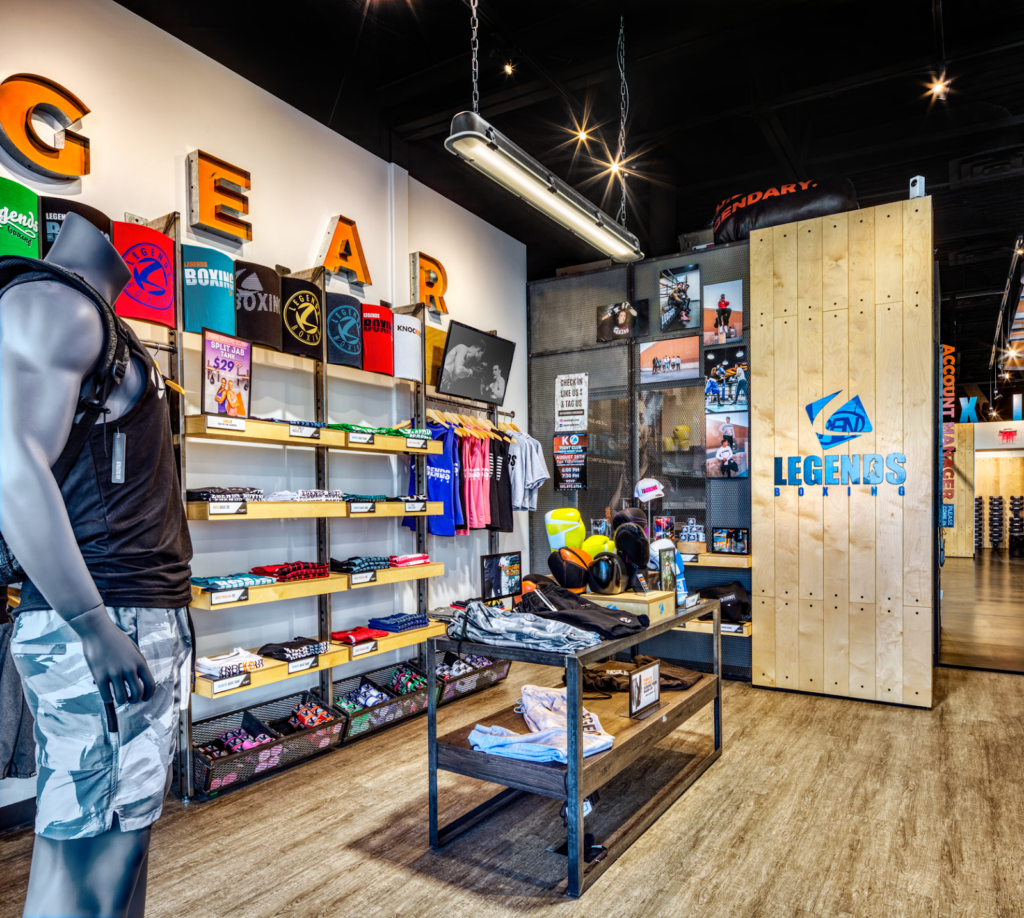
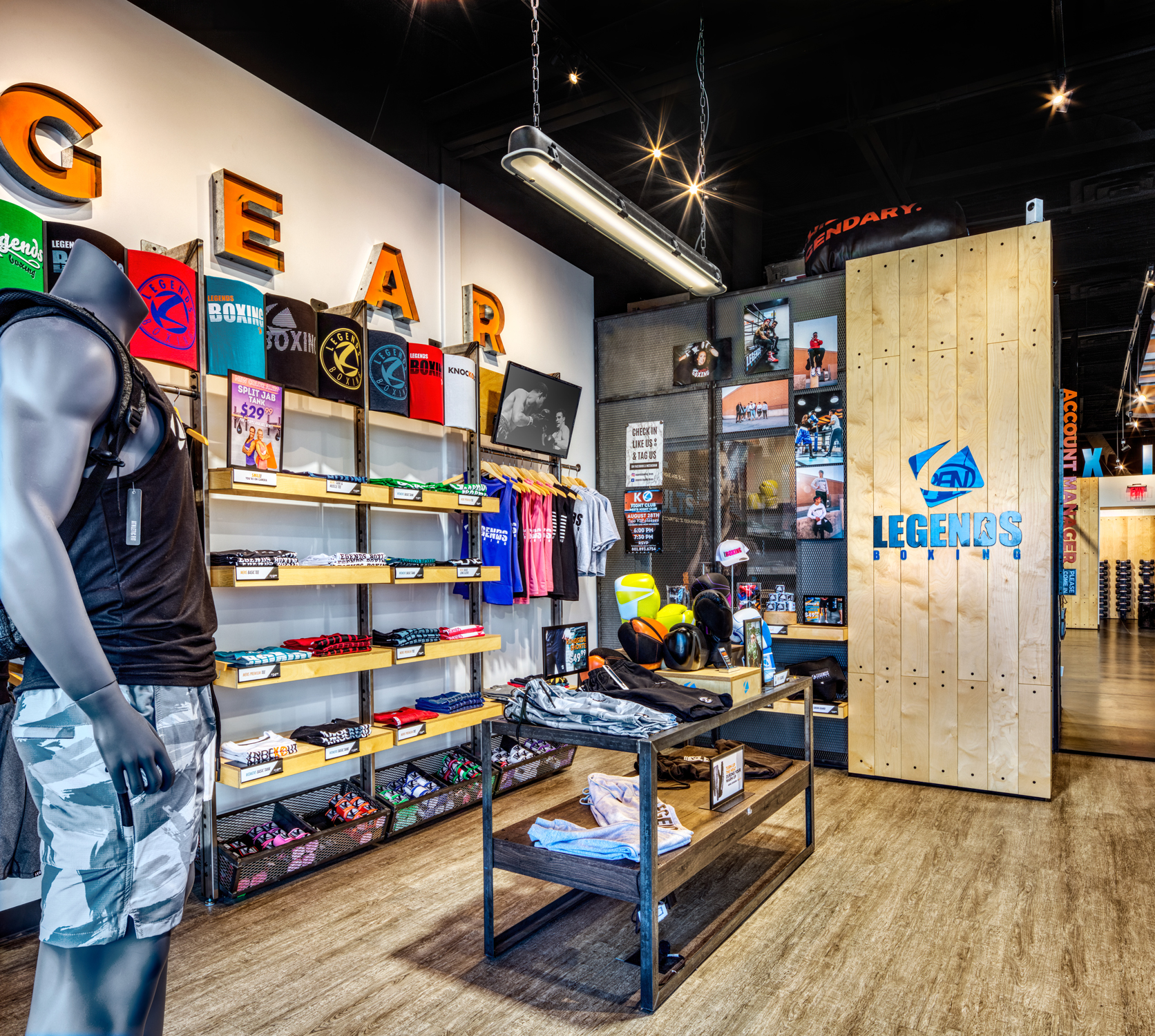
Single-Source Efficiency and Risk Reduction
Perhaps nothing more directly impacts scaling capacity than reducing complexity in your development process. Every additional vendor relationship, coordination point, or decision variable creates opportunities for delays, miscommunication, and errors that compound across multiple simultaneous developments.
Working with an integrated design and manufacturing partner for your complete FF&E package transforms this complexity into simplicity:
One Partner, One Conversation
Instead of coordinating between separate vendors for millwork, metals, signage, and upholstery, you have a single point of contact who manages the entire furnishing package. Need to adjust timelines for a location? One conversation. Question about specifications? One call. Installation questions? One source.
This consolidation becomes increasingly valuable as you scale. When opening 2 locations annually, managing 8-12 vendor relationships is feasible. When opening 20 locations, managing 80-120 vendor relationships becomes a full-time role—or more realistically, an impossibility that results in constant firefighting and delayed openings.
Guaranteed Availability and Continuity
One of the most problematic aspects of franchise scaling with fragmented sourcing is the “discontinued item” problem. You develop specifications using specific products, then discover two years into expansion that key items are no longer available. Now you face impossible choices: accept mismatched replacements, source expensive custom alternatives, or redesign sections of your locations.
Working with an American manufacturing partner who produces your complete furnishing package eliminates this risk. They maintain your specifications and continue producing your exact elements for the life of your franchise system. Opening location 100 with identical quality and appearance to location 1 becomes simple rather than aspirational.
This continuity proves particularly valuable for franchise systems with long development pipelines. When you sign a franchisee today for a location opening 18 months from now, you need confidence that the furnishings specified in their FDD will still be available at opening. Domestic manufacturing with maintained product lines provides this certainty.

Quality Consistency Through Controlled Manufacturing
Brand consistency isn’t just about using the same design across locations—it’s about ensuring that design is executed with consistent quality. This is where American-made FF&E from integrated manufacturing partners delivers distinct advantages.
Direct Manufacturing Oversight
When your design partner also manufactures your furnishings, quality control happens at the source. There’s no translation between design intent and manufacturing execution. No compromises because manufacturers don’t understand the importance of specific details. No back-and-forth trying to correct issues after production.
Domestic manufacturing facilities allow for direct oversight and quality verification. You can visit the facility producing your furnishings, inspect production processes, and confirm that quality standards meet your requirements. This level of access is simply impossible with international manufacturing or distributed vendor networks.
Consistent Material Sourcing
Subtle variations in materials can create noticeable inconsistencies across locations. Wood tones that vary batch to batch. Metal finishes that differ under different lighting. Upholstery fabrics that age differently based on manufacturer and dye lot.
Integrated manufacturers maintain consistent material sourcing across all elements of your package. They understand the importance of color matching between upholstery and millwork stains. They coordinate metal finishes to complement rather than clash with surrounding elements. They source materials in volumes that ensure consistency across your entire franchise system.
Offer
Building Your Scalable FF&E System
Transitioning to standardized FF&E packages requires thoughtful planning, but the process follows a proven framework:
Phase 1: Package Development
Work with your design and manufacturing partner to create a comprehensive furnishing package that captures your brand essence while accommodating typical location variations:
- Core furnishing elements (reception areas, service zones, customer areas)
- Modular components that adapt to different footprints
- Finish specifications
- Signage and graphics systems that scale across location sizes
- Installation guides and specifications
The key is creating enough standardization to ensure brand consistency while building in flexibility for legitimate site variations (ceiling heights, column locations, local building codes).
Phase 2: Prototype and Refine
Before rolling out systemwide, validate your package through a prototype location. This proves out:
- Manufacturing quality and consistency
- Installation processes and timelines
- Durability under real operational conditions
- Franchisee satisfaction with the package
- Any necessary refinements before broad deployment
This investment in validation prevents expensive mid-rollout corrections and builds franchisee confidence in the system.
Phase 3: Documentation and Training
Create comprehensive resources that make package implementation seamless:
- FF&E specifications and ordering procedures for franchisees
- Site preparation requirements for general contractors
- Installation guides and quality checklists
- Timeline templates showing furnishing milestones
- Support contact information and escalation procedures
The goal is removing ambiguity from every step of the process.
Key Questions for Evaluating FF&E Partners:
- Do you both design AND manufacture all elements in-house, or do you outsource components?
- How do you ensure continued availability of our specific furnishing package as we scale?
- What quality control processes do you have in place for multi-location consistency?
- Can you share case studies of franchise systems you’ve supported through significant scaling?
- What is your capacity for simultaneous productions as our opening velocity increases?
- How do you handle site-specific adaptations while maintaining standardization?
The American Manufacturing Advantage for Scaling
As you evaluate partners for your standardized FF&E system, domestic manufacturing provides specific benefits that directly support franchise scaling:
Responsive Adjustments
As your franchise system evolves, you’ll need to make refinements to your furnishing package—adding elements, adjusting specifications, or developing variations for new prototype formats. American manufacturing partners can implement these changes quickly, often producing updated prototypes in weeks rather than months.
This responsiveness becomes particularly valuable when entering new markets with specific requirements or regulatory constraints. The ability to adapt your package while maintaining core brand elements keeps your system competitive and compliant as you scale geographically.
Supply Chain Reliability
Recent years have dramatically highlighted the vulnerability of international supply chains. Long lead times, shipping disruptions, and customs delays can derail franchise development timelines and damage franchisee relationships.
Domestic manufacturing eliminates these variables. Shorter shipping distances mean faster, more predictable deliveries. No customs complications. No container shortages. No surprise tariffs affecting costs. This reliability becomes increasingly valuable as your opening velocity increases and timeline predictability grows more important.
Partnership Proximity
Building a successful franchise system requires genuine partnership with your FF&E provider. When manufacturing happens domestically, communication is easier, facility visits are practical, and collaboration happens in real-time rather than across international time zones.
This proximity facilitates the iterative refinement that naturally occurs as franchise systems scale. You spot opportunities to improve efficiency or reduce costs. Your manufacturing partner proposes innovations based on their production experience. Together, you optimize the package continuously—something nearly impossible with distant, transactional vendor relationships.
Gain
Franchise systems that implement standardized FF&E packages with integrated design and manufacturing partners report transformative benefits:
Accelerated Growth Capacity
The most immediate benefit is the ability to open more locations faster. Franchise systems report:
- 30-50% reduction in development timelines from signing to opening
- Ability to manage 2-3x more simultaneous developments without proportional staff increases
- Higher franchisee satisfaction during the development process
- Fewer opening delays due to furnishing-related issues
This acceleration directly impacts revenue growth and competitive positioning in hot markets.
Brand Protection at Scale
As franchise systems expand, maintaining brand consistency becomes exponentially more challenging. Standardized packages solve this by ensuring:
- Perfect brand replication across all locations regardless of franchisee, market, or timeline
- Elimination of the brand drift that typically occurs as systems scale
- Customer confidence that their experience will be consistent across any location they visit
- Visual cohesion that strengthens brand recognition and recall
The 71% of consumers who prefer buying from brands they recognize (https://thriveagency.com/news/how-to-maintain-brand-consistency-across-franchise-locations/) reward this consistency with loyalty and higher spending.
Franchisee Satisfaction and Recruitment
Strong franchise systems are built on franchisee success and satisfaction. Standardized FF&E packages contribute to both:
- Clear, predictable investment requirements with no surprise costs
- Faster time-to-revenue through compressed development timelines
- Confidence that they’re getting proven elements rather than experimental approaches
- Reduced stress during the already-challenging development process
- Pride in locations that match the brand promise exactly
Happy franchisees become your best recruiting tool. Their testimonials about streamlined development and successful openings attract higher-quality candidates and accelerate system growth.
Operational Efficiency
The efficiency benefits extend well beyond individual location openings:
- Development team productivity increases as processes become routine
- Support burden decreases as the system eliminates variables that typically create issues
- Vendor management overhead drops dramatically with single-source partnerships
- Quality issues decline as manufacturing processes mature and stabilize
These efficiency gains free internal resources to focus on growth rather than firefighting—a critical capability for franchise systems in expansion mode.
Financial Performance
Perhaps most importantly, standardized FF&E packages improve financial metrics across the franchise system:
- Lower per-location furnishing costs through volume manufacturing efficiencies
- Reduced corporate overhead through streamlined vendor management
- Faster franchisee breakeven through earlier openings and lower development costs
- Improved system-wide profitability that attracts additional growth capital
These benefits compound as the system scales, creating a virtuous cycle where growth enables better economics which facilitate faster growth.
Breaking Through the 100-Location Barrier
Remember that only 16% of franchise systems ever reach 100 locations. The difference between those that break through and those that plateau almost always traces back to operational infrastructure—the systems and processes that allow brands to scale without losing their essence.
Standardized FF&E packages represent a critical piece of this infrastructure. They’re not just about furnishings—they’re about building scalability into your franchise model from the foundation up.
The franchise systems experiencing explosive growth—the ones opening 20, 30, 50+ locations annually—universally leverage standardized systems with integrated partners. They understand that sustainable scaling requires eliminating variables, reducing complexity, and ensuring perfect brand replication across every location.
For franchisors evaluating their growth trajectory, the question isn’t whether you can manage fragmented furnishing approaches at your current size. The question is whether those approaches will support you at 2x, 5x, or 10x your current scale. If the answer creates hesitation, it’s time to build the infrastructure that makes growth inevitable rather than aspirational.
At Wadsworth Design, we’ve partnered with franchise brands for over 30 years to create standardized FF&E systems that scale. From initial store interior design through furnishing manufacturing and installation, we provide the integrated approach that makes rapid, consistent growth possible.