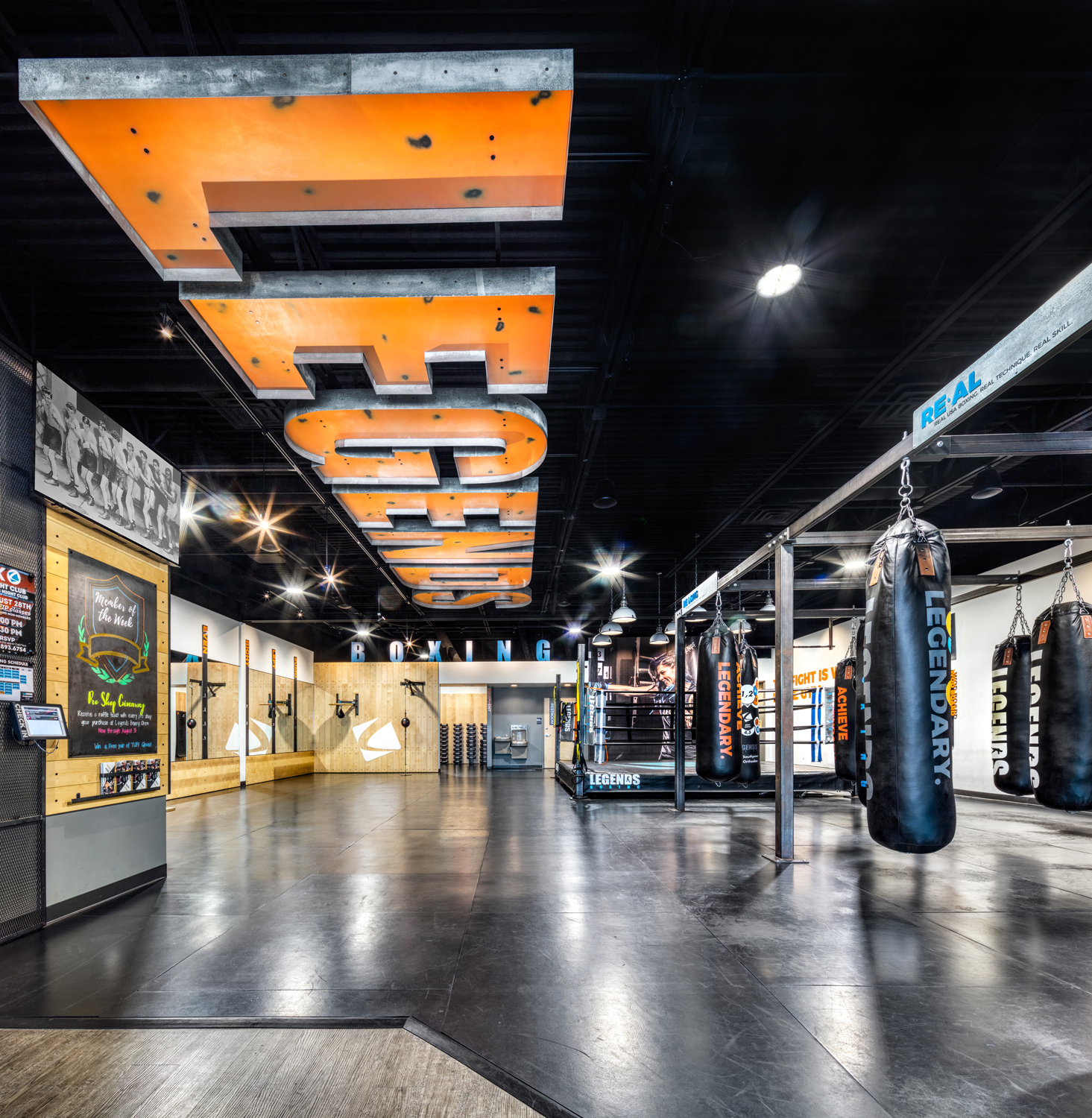
Growth without consistency is just chaos with more locations. After three decades designing franchise interiors, we’ve watched brands rise and fall based on one critical factor that has nothing to do with their product quality or service excellence. The difference between franchise systems that command premium pricing and those competing on discounts often comes down to a single word: consistency.
TL;DR
Brand consistency is the secret weapon that separates franchise systems that scale successfully from those that plateau. With 71% of consumers preferring brands they recognize, consistency directly impacts customer loyalty, premium pricing power, and growth capacity. Achieving consistency at scale requires three dimensions: visual consistency (architectural millwork, metals, signage, upholstery), experiential consistency (spatial flow, comfort, ambient qualities), and operational consistency (staff efficiency, maintenance, durability). Standardized FF&E packages from integrated American manufacturing partners provide the foundation for scalable consistency by ensuring identical replication across all locations, guaranteed long-term availability, and controlled quality. Benefits include increased customer confidence, premium pricing power, easier franchisee recruitment, reduced operational complexity, and competitive differentiation. Only 16% of franchisors reach 100 locations, and the difference almost always traces to operational infrastructure like consistent systems. Successful franchise scaling requires treating brand consistency as essential infrastructure rather than aesthetic preference.
Background
Brand consistency isn’t just an aesthetic preference. It’s a financial imperative that directly impacts your franchise system’s ability to scale, command premium pricing, and maintain customer loyalty across markets.
Research confirms what successful franchisors already know: 71% of consumers are more likely to buy a product or service from a name they recognize. That recognition doesn’t come from marketing alone. It comes from delivering identical experiences across every location, where the physical environment matches customer expectations precisely.
The challenge intensifies as franchise systems grow. What works at 5 locations becomes exponentially more complex at 50. At 100+ locations, maintaining visual and experiential consistency without robust systems becomes virtually impossible. This is why only 16% of franchisors ever reach the 100-location milestone. The 84% that plateau often cite “maintaining standards” as their primary scaling barrier.
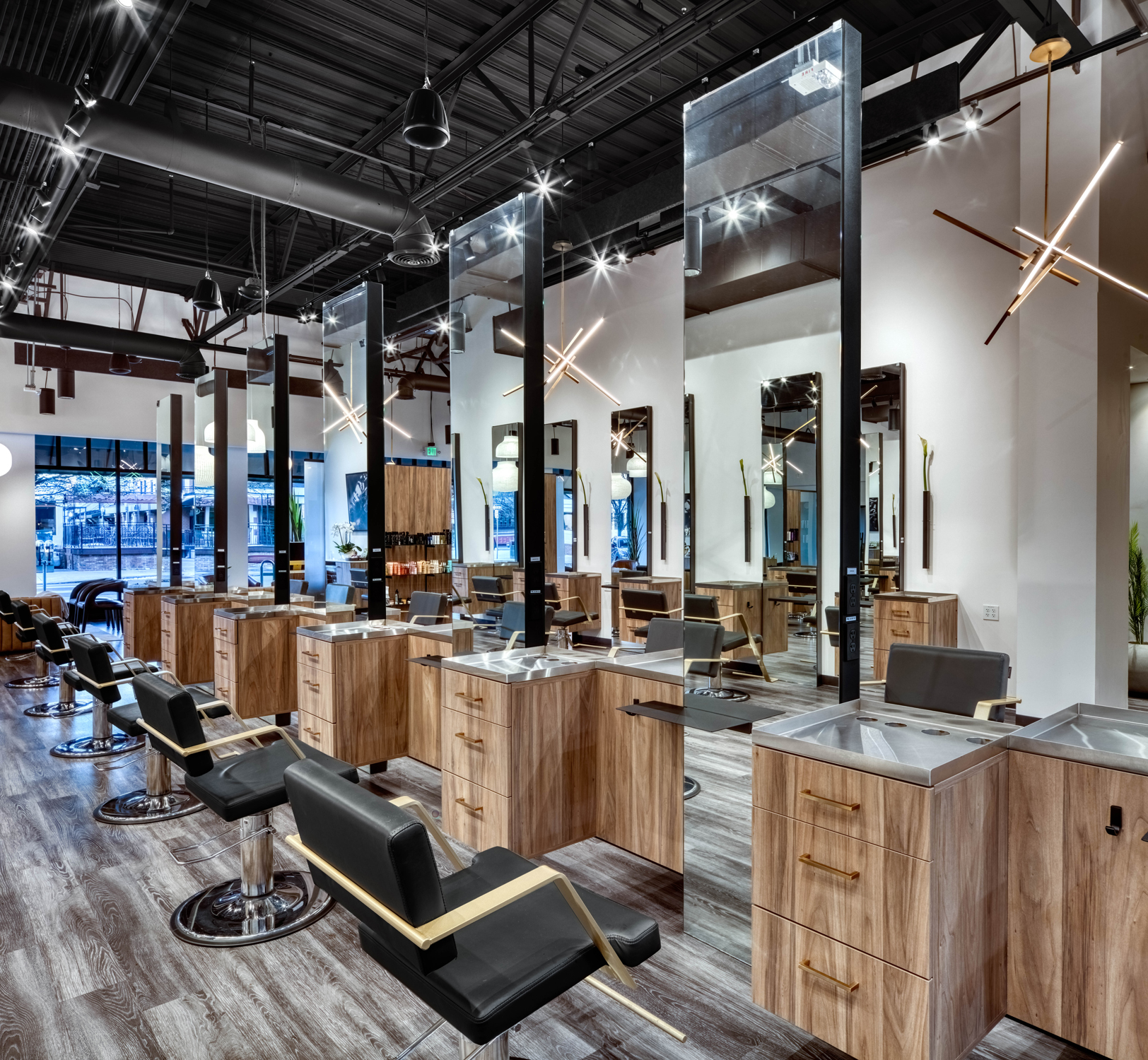
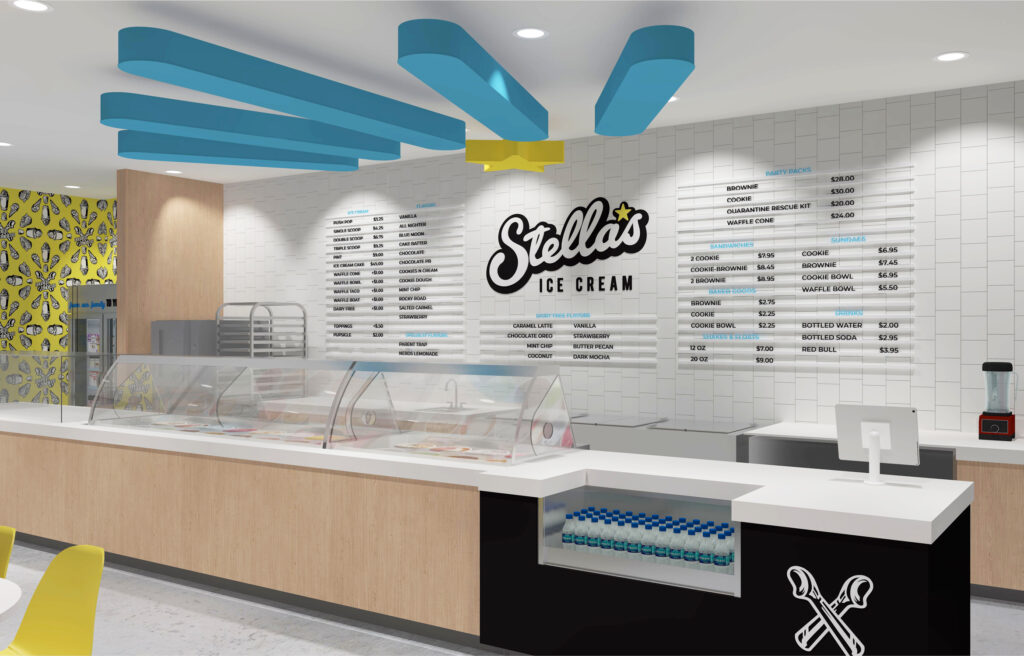
For franchise interior elements specifically, consistency touches every aspect of the customer experience. When a customer walks into any of your locations, they should immediately recognize the brand through architectural millwork details, metal finishes, signage placement, upholstery colors, and spatial flow. Deviation creates confusion, erodes trust, and diminishes the brand equity you’ve invested years building.
The financial stakes are substantial. Brands with strong consistency command premium pricing, enjoy higher customer lifetime value, and attract better franchisee candidates. Inconsistent brands compete on price, struggle with customer retention, and face constant franchisee complaints about “other locations not meeting standards.”
Logic
The Three Dimensions of Franchise Brand Consistency
Achieving meaningful brand consistency requires attention to three interconnected dimensions: visual consistency, experiential consistency, and operational consistency. Most franchise systems excel at one or two but struggle to maintain all three simultaneously.
Visual Consistency: The Foundation of Recognition
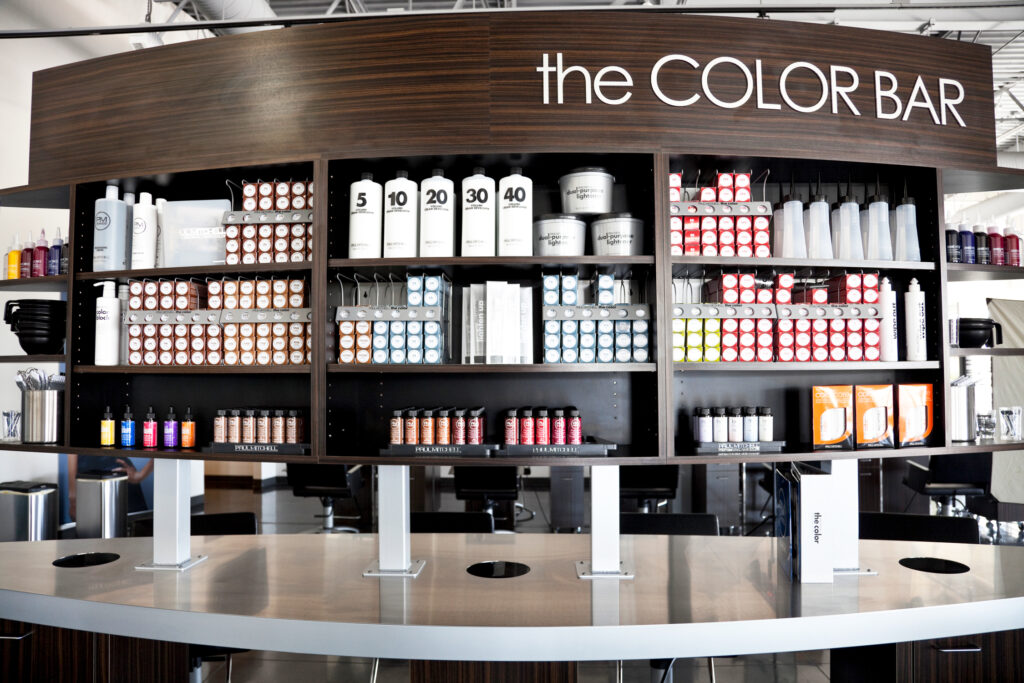
Visual consistency is where brand recognition begins. When customers encounter your franchise in a new market, they should instantly recognize it before reading a single word of signage.
This recognition comes from precise replication of design elements:
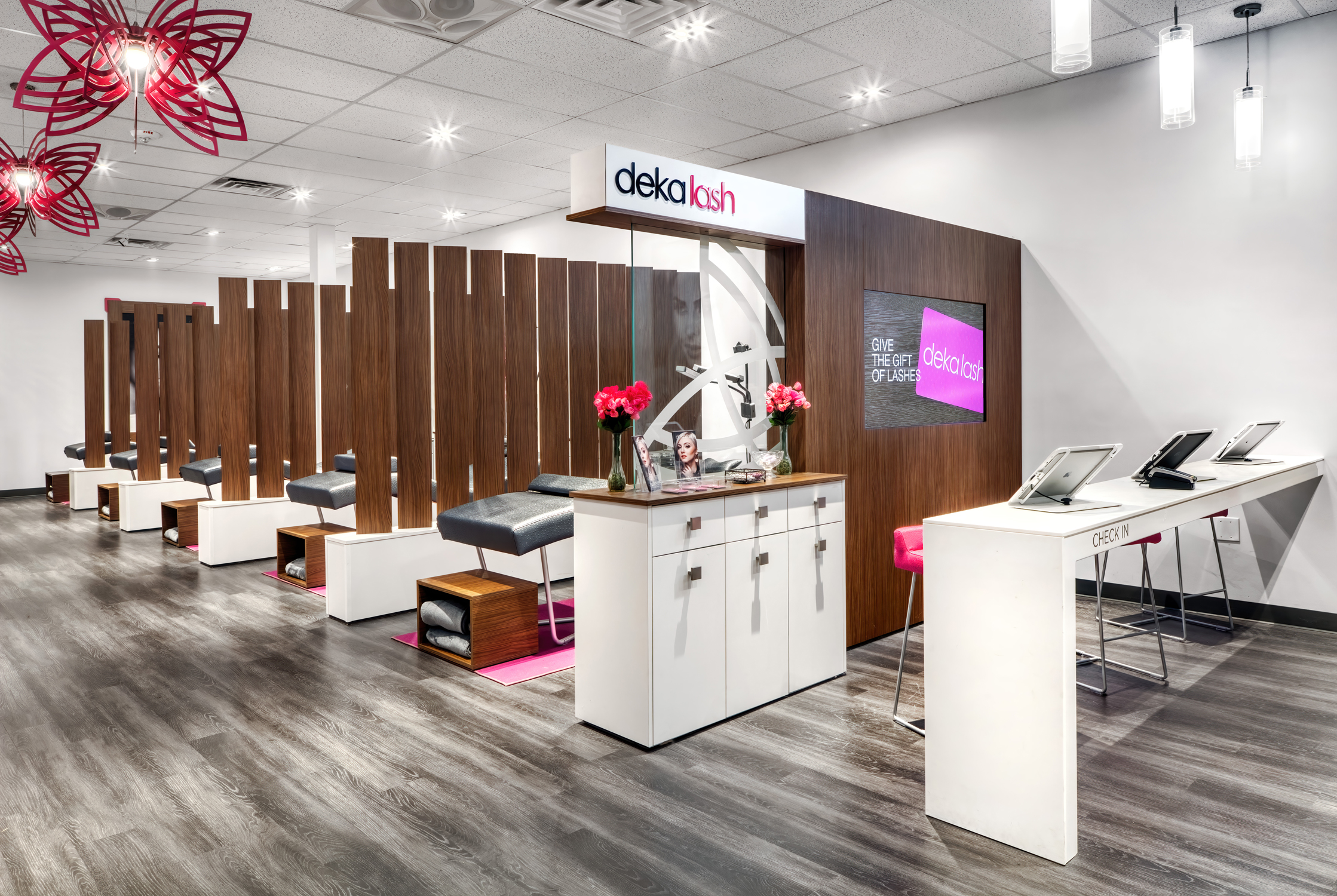
Architectural Millwork: The shapes, proportions, and details of your millwork establish your brand’s physical signature. When reception desks, product displays, or service stations vary in dimensions, materials, or finishes across locations, customers notice. These variations signal either a lack of attention to detail or financial constraints, neither of which supports premium positioning.
Metal Finishes and Details: Metal elements provide visual anchors throughout your space. Whether brushed aluminum, powder-coated steel, or brass accents, these finishes must match precisely across locations. A location using “close enough” substitutes creates subtle discord that undermines the cohesive brand experience.
Color Consistency: Perhaps nothing broadcasts inconsistency faster than color variations. When upholstery fabrics, wall colors, or brand accent colors shift between locations, customers subconsciously question whether they’re experiencing the “real” brand or a lower-quality imitation.
Signage and Graphics: Your signage system does more than identify your brand. It guides customer movement, reinforces brand personality, and communicates professionalism. When signage placement, sizing, or typography varies by location, it fragments the brand message.
The challenge with visual consistency isn’t just creating the initial design. It’s ensuring that design replicates perfectly across locations 1, 10, 50, and 100. This requires more than brand guidelines in a PDF. It demands manufacturing systems that guarantee identical production regardless of order timing or location.
Experiential Consistency: How Spaces Feel and Function
Visual consistency creates recognition. Experiential consistency creates loyalty.
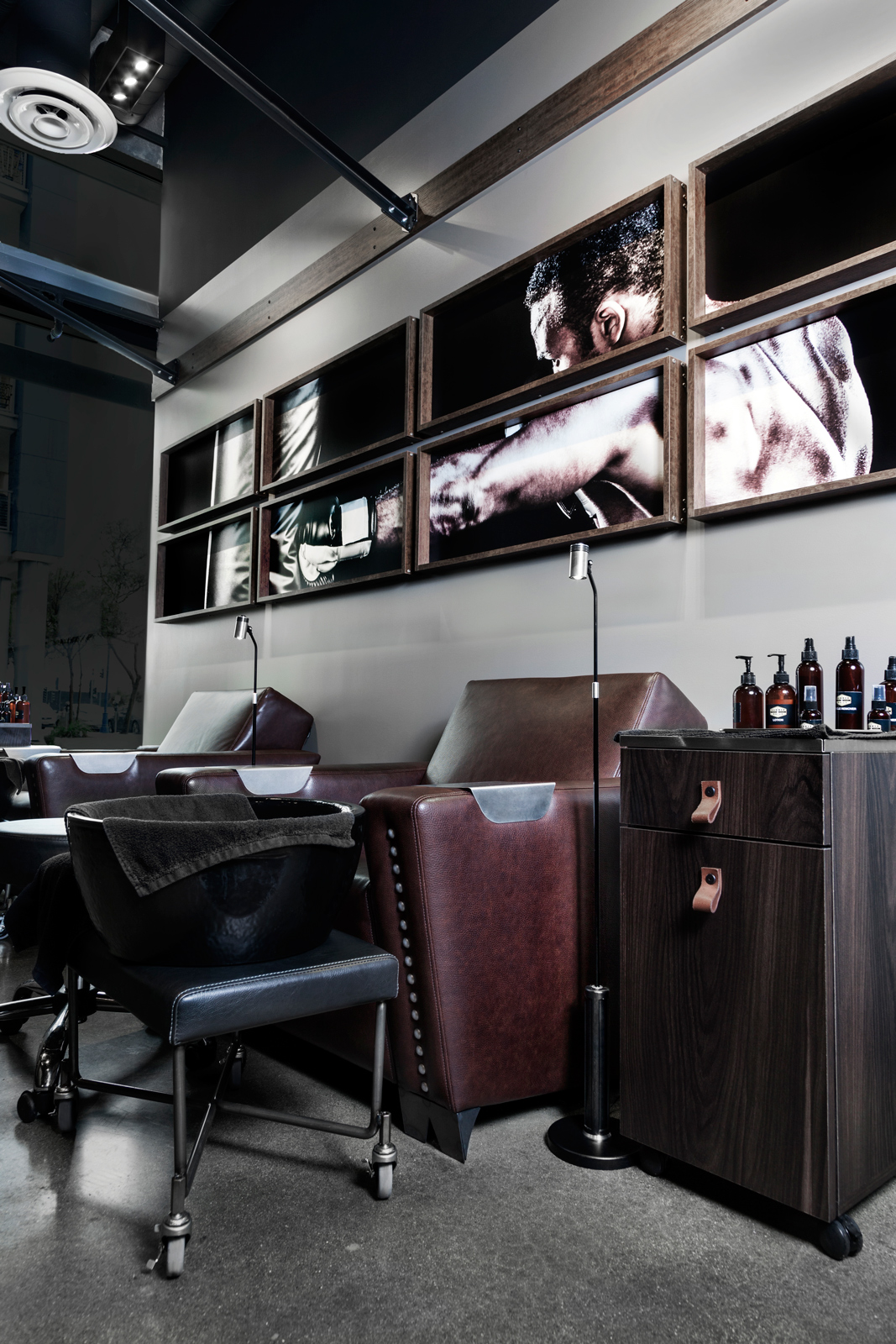
Experiential consistency means customers navigate your space intuitively regardless of location. The flow from entrance to transaction feels familiar. Seating comfort matches their expectations. Service zones function identically. Even acoustic qualities remain consistent.
Spatial Flow and Navigation: When spatial layouts vary significantly between locations, customers lose the comfort of familiarity. They can’t predict where to find products, how to access services, or where to complete transactions. This cognitive friction reduces satisfaction and dwell time.
Furniture Comfort and Ergonomics: If your Dallas location features plush, comfortable seating while your Phoenix location uses firmer alternatives, customers notice and form preferences. This creates the dangerous dynamic where customers actively avoid certain locations within your own network.
Ambient Qualities: Lighting levels, temperature control, acoustic treatment, and even scent contribute to experiential consistency. Locations that feel dramatically different from one another fragment the brand experience and reduce the psychological comfort that drives repeat visits.
The solution isn’t making every location identical in square footage or layout. It’s ensuring that core experiential elements remain constant even as locations adapt to different footprints and site conditions.
Operational Consistency: The Hidden Differentiator
The third dimension of consistency operates behind the scenes but directly impacts customer perception and franchisee success.
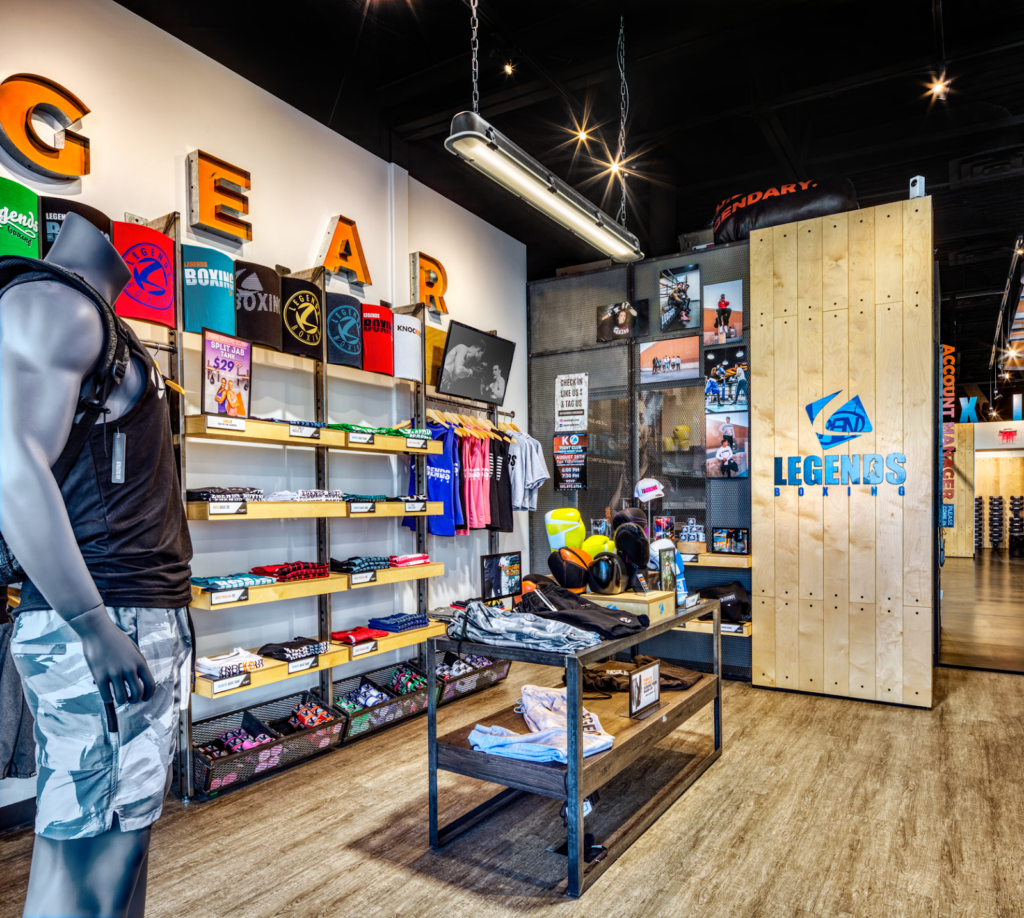
Staff Efficiency: When FF&E elements are standardized, staff training becomes transferable across locations. Employees moving between locations (or customers observing service at different locations) notice when operational flow differs. Standardized fixtures, storage solutions, and workstation designs ensure staff can deliver consistent service quality.
Maintenance and Cleanliness: Consistent furnishings enable consistent maintenance standards. When every location uses identical materials and finishes, cleaning protocols, replacement schedules, and maintenance procedures become systemized rather than location-specific improvisations.
Durability and Aging: Perhaps nothing damages brand consistency more than furnishings that age at different rates. When location A’s millwork looks pristine after five years while location B’s shows significant wear after three, customers draw conclusions about overall quality standards. American-made furnishings from controlled manufacturing sources age predictably, allowing system-wide replacement planning rather than reactive responses to individual location deterioration.
The Systems That Enable Consistency at Scale
Understanding why consistency matters is simple. Achieving it at scale requires robust systems that most franchise networks lack.
Standardized FF&E Packages: The foundation of scalable consistency is a comprehensive, standardized furnishing package that covers every visual element. This package becomes your brand’s physical DNA, replicated identically across all locations.
Without standardization, you’re dependent on individual franchisees (or their contractors) making consistent choices from vendor catalogs. Even with detailed specifications, variations creep in. One franchisee accepts a “close match” when their first choice faces delays. Another finds a “better price” on alternative materials. A third makes substitutions based on local availability.
Individually, these seem like minor deviations. Collectively, they create brand drift that accelerates as your system grows.
Integrated Design and Manufacturing: Standardized packages only work when backed by manufacturing capabilities that ensure long-term availability and consistency.
This is where many franchise systems encounter their most frustrating challenge: the discontinued item problem. You specify perfect furnishing elements, open 20 locations using those specifications, then discover key items are no longer manufactured. Now every new location requires substitutions, and existing locations can’t source matching replacements for damaged items.
Working with an American manufacturing partner who produces your complete franchise design package eliminates this risk. They maintain your specifications and continue production for the life of your franchise system. Location 100 opens with identical quality to location 1, and location 1 can source exact replacements a decade after opening.
Quality Control at the Source: Manufacturing consistency requires more than repeat orders. It demands controlled material sourcing, standardized production processes, and verification systems that catch variations before they reach job sites.
Domestic manufacturing provides quality advantages that international sourcing cannot match. When your design partner also manufactures your furnishings in facilities you can visit and inspect, quality becomes verifiable rather than promised. Material sourcing remains consistent across production runs. Finish quality doesn’t vary based on which overseas factory receives the order.
Documentation and Implementation Support: Even perfect products require proper installation to maintain consistency. Comprehensive installation documentation, training resources, and implementation support ensure that your carefully designed elements come together correctly at every location.
When these systems work in concert, consistency becomes the natural outcome rather than a constant struggle.
Offer
Building Your Brand Consistency System
Creating a consistency system that scales requires methodical development across several phases:
Phase 1: Define Your Brand Standards
Before you can replicate consistency, you must define exactly what consistency means for your brand. This goes beyond logo usage guidelines to encompass every physical element customers encounter.
Document your brand’s:
- Core design elements (architectural styles, material palettes, signature details)
- Color specifications (not just “red” but exact Pantone values for every application)
- Material standards (specific wood species, metal finishes, fabric types)
- Spatial requirements (clearances, sightlines, adjacencies)
- Sensory qualities (lighting levels, acoustic targets, temperature ranges)
This documentation becomes your brand’s physical constitution, the non-negotiable standards every location must meet.
Phase 2: Develop Your Standardized FF&E Package
With standards defined, work with your design and manufacturing partner to create a comprehensive furnishing package that embodies those standards:
- Complete architectural millwork specifications
- Metal fixture designs and finish specifications
- Signage and graphics systems
- Upholstery and soft goods selections
- Installation requirements and sequences
The goal is creating a plug-and-play system where new locations receive complete, coordinated furnishing packages rather than assembling elements from multiple vendors.
Phase 3: Prototype and Validate
Before rolling out system-wide, validate your package through a flagship location that proves out:
- Manufacturing quality and consistency
- Installation processes and timelines
- Operational functionality
- Customer response
- Durability under real-world conditions
This investment prevents expensive system-wide corrections and builds franchisee confidence.
Phase 4: Implement Support Systems
Create the infrastructure that enables consistent implementation:
- Detailed specifications and ordering procedures for franchisees
- Installation guides and quality checklists
- Vendor management protocols
- Maintenance and replacement guidelines
- Ongoing compliance monitoring
Key Questions for Evaluating Your Consistency Capabilities:
- Can you guarantee that location 50 will receive identical furnishings to location 5, even if they open years apart?
- Do you have a single source who manages your entire FF&E package, or are you coordinating multiple vendors?
- Can you visit the facility where your furnishings are manufactured to verify quality?
- What happens when a franchisee needs to replace damaged items five years after opening?
- How do you ensure color, finish, and material consistency across different production runs?
- What documentation do you provide to ensure proper installation at every location?
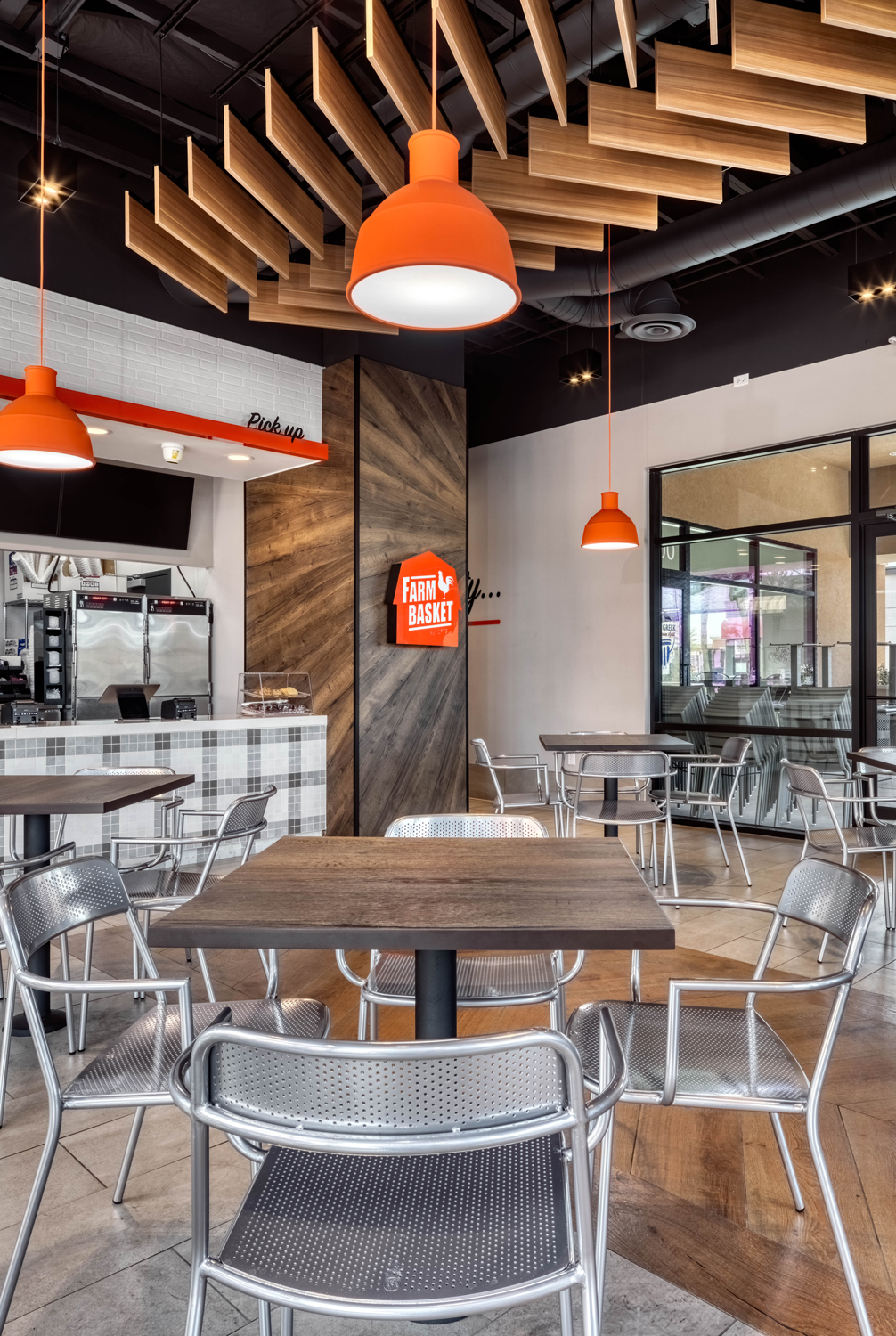
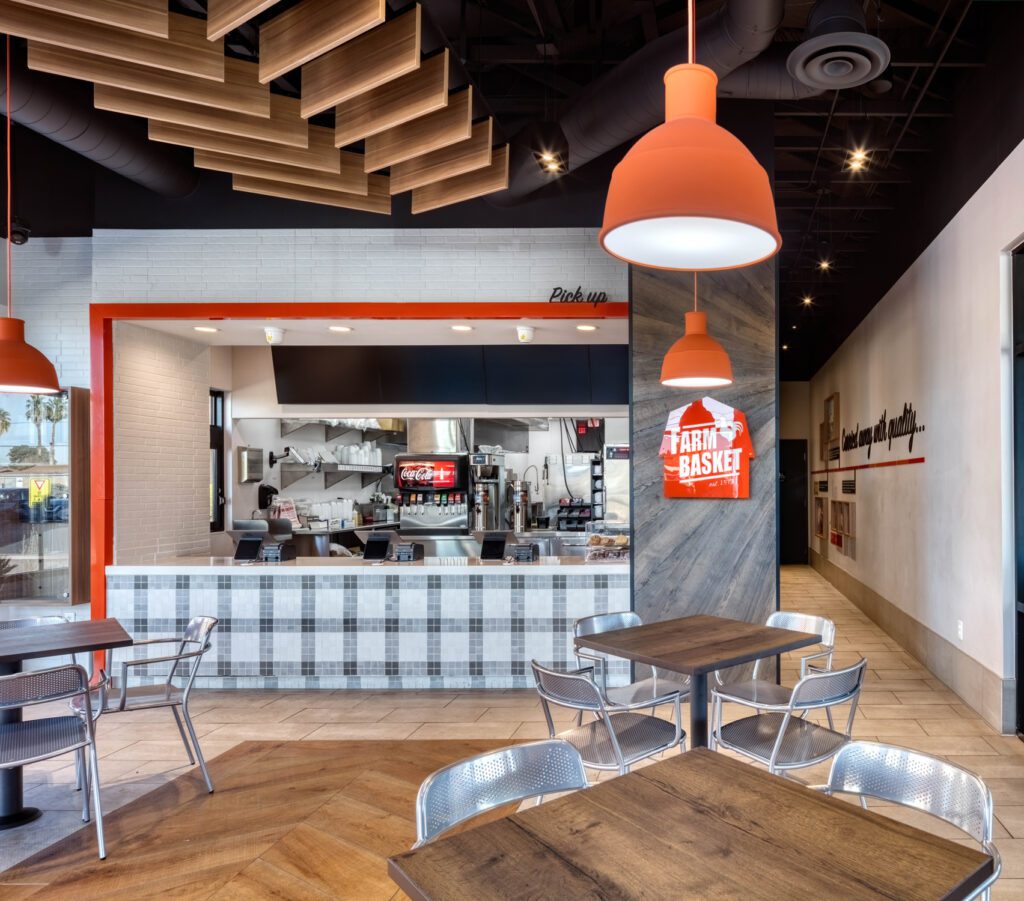
The Role of American Manufacturing in Consistency
Geographic proximity to manufacturing creates consistency advantages that international sourcing cannot replicate:
Responsive Quality Control: When issues arise, domestic manufacturing enables rapid response. You can visit facilities, inspect production, and implement corrections within days rather than months. This responsiveness prevents quality variations from spreading across multiple locations.
Supply Chain Stability: International supply chains introduce variables that threaten consistency: shipping delays, customs complications, currency fluctuations, and geopolitical disruptions. Domestic manufacturing eliminates these variables, ensuring predictable timelines and costs.
Long-Term Partnership: Building franchise consistency requires genuine partnership with your FF&E provider. When manufacturing happens domestically, communication is easier, collaboration is practical, and relationships deepen over years rather than remaining transactional.
Material Sourcing Control: American manufacturers maintain tighter control over material sourcing, ensuring that wood tones, metal finishes, and fabric dye lots remain consistent across production runs and over years.
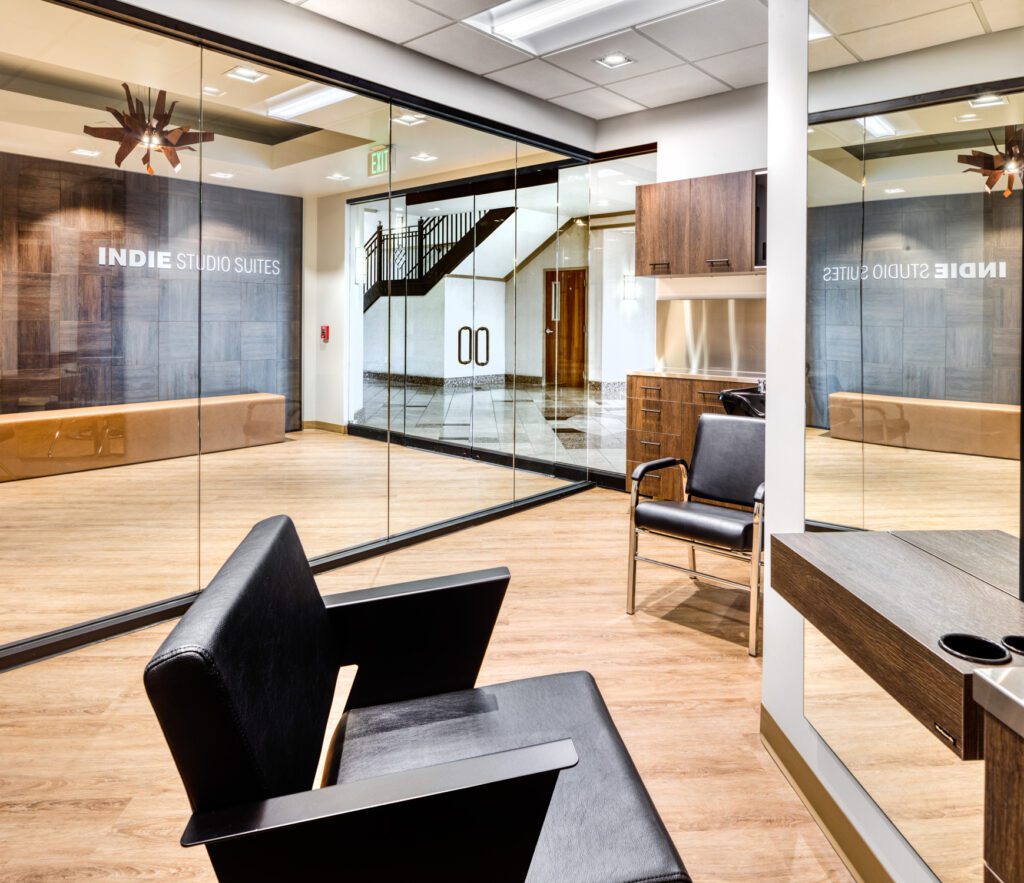
Gain
Franchise systems that achieve true brand consistency report transformative benefits across multiple dimensions:
Customer Loyalty and Premium Pricing
The most immediate benefit appears in customer behavior and willingness to pay:
Increased Customer Confidence: When customers know they’ll receive identical experiences across all locations, they choose your brand more frequently. This confidence particularly matters when traveling or recommending your franchise to others in different markets.
Premium Pricing Power: Consistent brands command premium pricing because customers perceive consistency as quality assurance. Inconsistent brands compete on price because customers doubt whether they’ll receive the expected experience.
Higher Net Promoter Scores: Research consistently shows that brand consistency drives customer satisfaction scores and likelihood to recommend. When customers can confidently recommend your brand knowing their friends will receive identical experiences, referral rates increase.
Reduced Price Sensitivity: Customers who trust your brand’s consistency become less price-sensitive because they value the predictability you provide. This insulates your franchise from competitive price pressures.
Franchisee Recruitment and Satisfaction
Brand consistency directly impacts your ability to attract and retain high-quality franchisees:
Easier Franchisee Recruitment: Prospective franchisees investigating your system visit multiple locations. When those locations deliver identical experiences, they trust your systems and support. Inconsistency raises red flags about your operational infrastructure.
Reduced Franchisee Conflict: Nothing creates franchisee discord faster than visible inconsistencies between locations. When franchisee A invests fully in brand standards while franchisee B cuts corners, conflict erupts. System-wide consistency creates fairness, shared pride and overall brand strength.
Simplified Training and Support: Consistent environments enable transferable training. Franchisees can visit any location for training knowing they’ll see identical setups. Support resources apply universally rather than requiring location-specific customization.
Higher Franchisee Satisfaction: Franchisees report higher satisfaction when they feel proud of their locations and confident they match the brand promise. Consistency creates that pride and confidence.
Operational Efficiency and Cost Management
The operational benefits of consistency compound over time:
Simplified Procurement: Standardized packages eliminate the complexity of managing multiple specifications, vendor relationships, and approval processes. One order, one shipment, one installation process.
Predictable Costs: When furnishing costs become standardized, financial planning improves. Franchisees know exact investment requirements, and franchisors can provide accurate guidance without qualification.
Reduced Support Burden: Consistency eliminates the support overhead created by location-specific troubleshooting, unique vendor coordination, and custom problem-solving. Support teams develop expertise that applies across all locations.
Streamlined Replacements: When damaged or worn items need replacement, standardized systems make this simple rather than requiring sourcing investigations and compatibility testing.
Competitive Differentiation
In crowded franchise markets, consistency becomes a powerful differentiator:
Professional Market Perception: Consistent brands appear more professional, established, and trustworthy. This perception attracts better real estate opportunities, financing terms, and partnership opportunities.
Resistance to Competition: When your brand becomes synonymous with consistent quality, competitors struggle to steal customers based on price alone. Your consistency premium protects market share.
Franchise System Valuation: If you ever consider selling your franchise system or attracting investment, brand consistency directly impacts valuation. Buyers pay premiums for systems with proven operational infrastructure that enables growth.
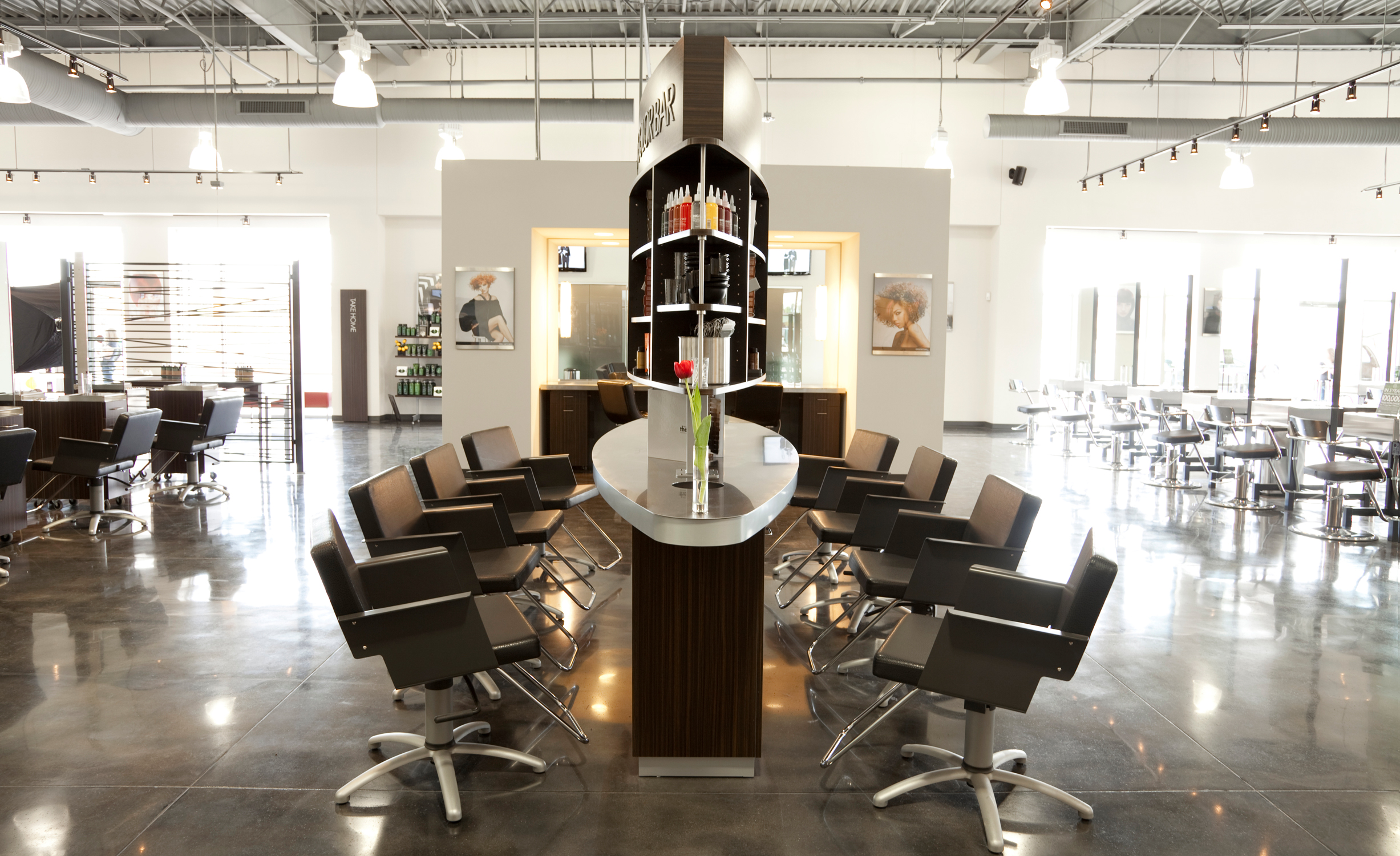
Real-World Impact
Consider the trajectory difference between two franchise systems launching simultaneously:
System A relies on franchisee implementation with vendor guidelines. After five years and 25 locations, visual variations are apparent. Some locations used alternative finishes when specified items faced delays. Others made “value engineering” substitutions. Customer reviews frequently mention inconsistencies. The franchisor spends significant time mediating franchisee complaints about “locations that don’t look like the brand.” Growth stalls as prospective franchisees notice the variations.
System B implements standardized FF&E packages from launch. After five years and 25 locations, every location matches precisely. Customer reviews praise consistency. Franchisees feel proud and protected knowing their investment matches brand standards. The franchisor focuses on growth rather than quality control. Prospective franchisees trust the systems they observe. The brand commands premium pricing in every market.
The difference isn’t budget. It’s systems.
Breaking Through the Consistency Barrier
Remember that 71% of consumers prefer brands they recognize. That recognition depends entirely on consistency across touch points and locations. In franchise systems, your physical locations are your most visible and impactful touch points.
The franchise systems achieving explosive growth universally prioritize consistency as operational infrastructure, not aesthetic preference. They understand that consistency enables everything else: premium pricing, rapid scaling, franchisee satisfaction, and competitive differentiation.
For franchisors evaluating their brand consistency capabilities, the question isn’t whether your current locations look good. The question is whether you have systems that guarantee location 100 will match location 1 perfectly. If you can’t answer that confidently, you’re building on a foundation that will limit your growth potential.
At Wadsworth Design, we’ve spent three decades helping franchise brands achieve the consistency that drives growth. Our integrated approach to franchise design and American manufacturing ensures perfect brand replication across every location. From initial design concepts through scalable rollout systems, we provide the infrastructure that transforms brand consistency from aspiration to reality. Explore our franchise projects or learn about our process.